

By Judith Mora
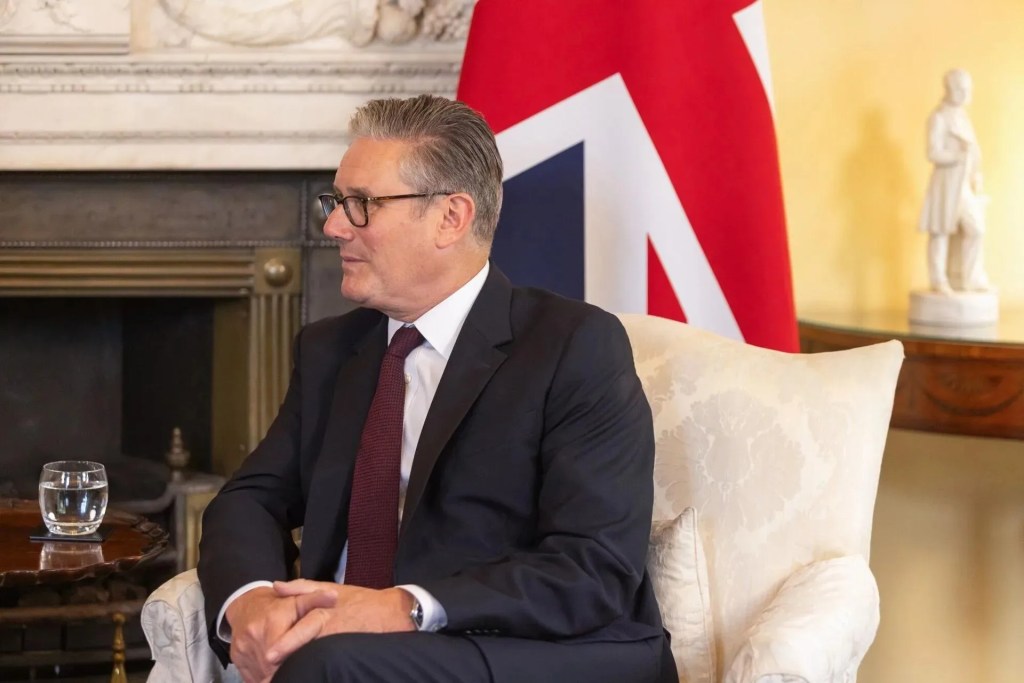
London (EFE).- United Kingdom Prime Minister Keir Starmer carried out a sweeping government reshuffle on Friday after the resignation of Deputy Prime Minister Angela Rayner, who stepped down following a controversy over her tax affairs. The move allowed Starmer to strengthen his political project amid plunging poll numbers.
Rayner, 45, resigned from her positions as deputy PM, housing minister, and deputy Labour leader after the ministerial ethics adviser found she breached the code of conduct by not seeking proper legal advice when purchasing a second home, leading to underpaid taxes.
Her departure created space for strategic changes, including the appointment of Foreign Secretary David Lammy as Deputy Prime Minister and Justice Secretary, and Yvette Cooper, who had been Home Secretary, as the new head of British diplomacy.
Mahmood takes tougher line on immigration
Shabana Mahmood was named home secretary, succeeding Yvette Cooper, in a move widely seen as a signal of a firmer stance on immigration.
Mahmood, a former justice minister and barrister, is considered well placed to tackle asylum pressures and illegal migration, both of which have eroded Labour’s credibility since coming to power in July 2024.
“With Mahmood, Starmer is betting on someone tougher and more pragmatic on migration, an issue where Cooper had struggled to deliver,” said political analyst John Curtice of Strathclyde University.
Mahmood is expected to enforce stricter immigration policies while managing rising public discontent over asylum seekers, a theme exploited by the right-wing Reform UK party, now leading the polls.
Cooper faces global challenges at foreign office
Veteran Labour figure Yvette Cooper, who served under former Prime Minister Tony Blair, becomes foreign secretary at a time of global crisis.
She will oversee Britain’s role in the war in Ukraine, the Gaza conflict, and the debate over whether the UK will recognize Palestine this month.
Starmer has tasked Cooper with restoring Britain’s international standing through multilateralism and post-Brexit cooperation.
She will also lead the implementation of bilateral agreements recently signed with France, Germany, and Spain on defense, trade, and political coordination.
“Cooper’s experience and reputation for pragmatism will be crucial in steering UK diplomacy in such a volatile environment,” Curtice added.
Further cabinet changes signal renewal
The reshuffle extended beyond top posts.
Lucy Powell was removed as leader of the House of Commons, replaced by Alan Campbell. Scottish minister Ian Murray is succeeded by Douglas Alexander.
Pat McFadden moves to the Work and Pensions department, Liz Kendall to the Science and Technology department, Peter Kyle to the Business department, and Jonathan Reynolds takes over parliamentary discipline.
Steve Reed becomes housing and communities minister, filling one of Rayner’s former roles.
The other two, deputy PM and deputy Labour leader, are now held by Lammy and remain vacant, respectively.
Chancellor Rachel Reeves kept her post to ensure financial stability ahead of the Nov. 26 budget.
Despite the shake-up, analysts doubt the changes will improve Starmer’s personal ratings.
A late-August YouGov poll found 68% of Britons disapprove of his leadership, with only 24% approving.
A separate BMG Research poll put Reform UK ahead with 35% of voting intention, 15 points above Labour (20%) and the Conservatives (17%). EFE
jm/seo