
Sydney, Australia (EFE).- Millions of Australians will be at risk from rising sea levels in the coming decades, while heat-related deaths could quintuple if global warming is not limited, warned the government’s first National Climate Risk Assessment published Monday.
The report describes a future of severe impacts, from extreme heatwaves to floods and droughts, if climate pollution from coal, oil, and gas is not drastically reduced.
Up to 1.5 million Australians will be at risk from rising sea levels by 2050 and up to 3 million by 2090, the document highlights.
“Climate change will disrupt our very way of life. Changes in Australia’s climate will not occur gradually or smoothly,” the document said, warning that reaching tipping points will likely cause abrupt changes.
The study models three scenarios: with temperature increases of 1.5°C, 2°C, and 3°C, and concludes that in the worst-case scenario, deaths from extreme heat could increase fivefold: up to 440 percent in Sydney, 260 percent in Melbourne, 300 percent in Perth, and 420 percent in Darwin.

“One thing that is very clear from this climate assessment is that our whole country has a lot at stake. The cost of inaction will always outweigh the cost of action,” said Climate Change Minister Chris Bowen, presenting the assessment, which included an adaptation plan with measures to protect the most vulnerable communities.
The economic impact would also be massive, with worker productivity losses of up to AU$423 billion ($280 billion) by 2063, as well as nearly seven times higher disaster spending by 2090, and a drop in property values of more than A$600 billion by 2050.
The report also warns of an unprecedented increase in marine heatwaves, which could last for half a year with 3°C of warming, and an 18-fold increase in coastal flooding, which would double the number of people exposed to 1.5 million in 2050 and 3 million in 2090.
All Australians will be exposed to greater climate risks, with the most rapid and significant increase in Queensland, Tasmania, New South Wales, and the Australian Capital Territory.
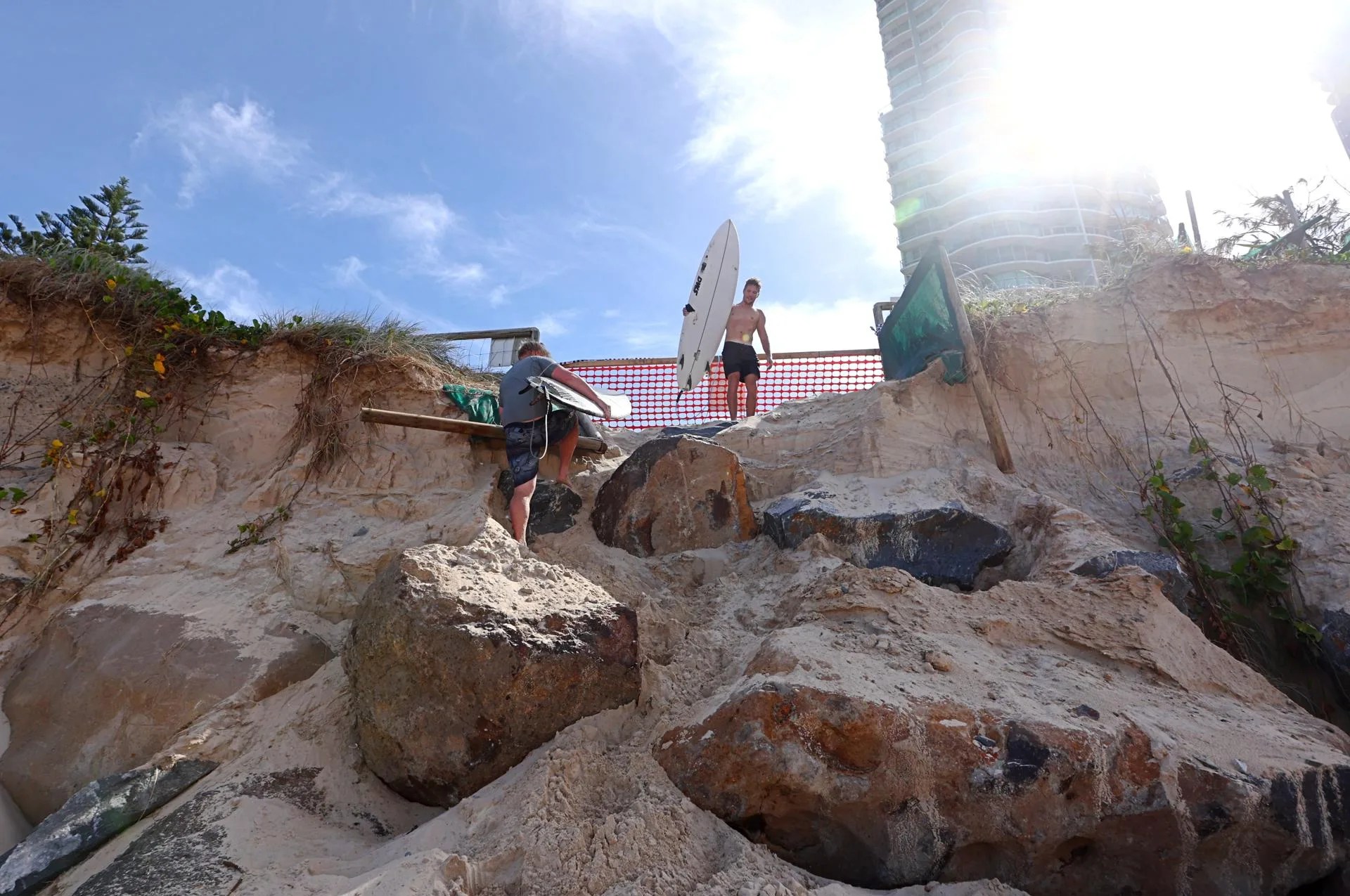
Rising sea levels and an increase in extreme weather events threaten to inundate and damage coastal infrastructure and communities in low-lying areas, including major cities and outlying territories, potentially leaving 597,000 people directly at risk of flooding by 2030.
Remote communities, already vulnerable due to limited communications and weak supply chains, will see their situation exacerbated in the future, with transport costs potentially doubling in some regions of Queensland, Western Australia, and the Northern Territory.
The risk assessment was released the same week that Prime Minister Anthony Albanese’s administration is set to unveil its 2035 emissions reduction target, as well as recommendations from the Climate Change Authority, a national strategy to achieve carbon neutrality, and specific roadmaps for six key economic sectors. EFE
emg/tw