
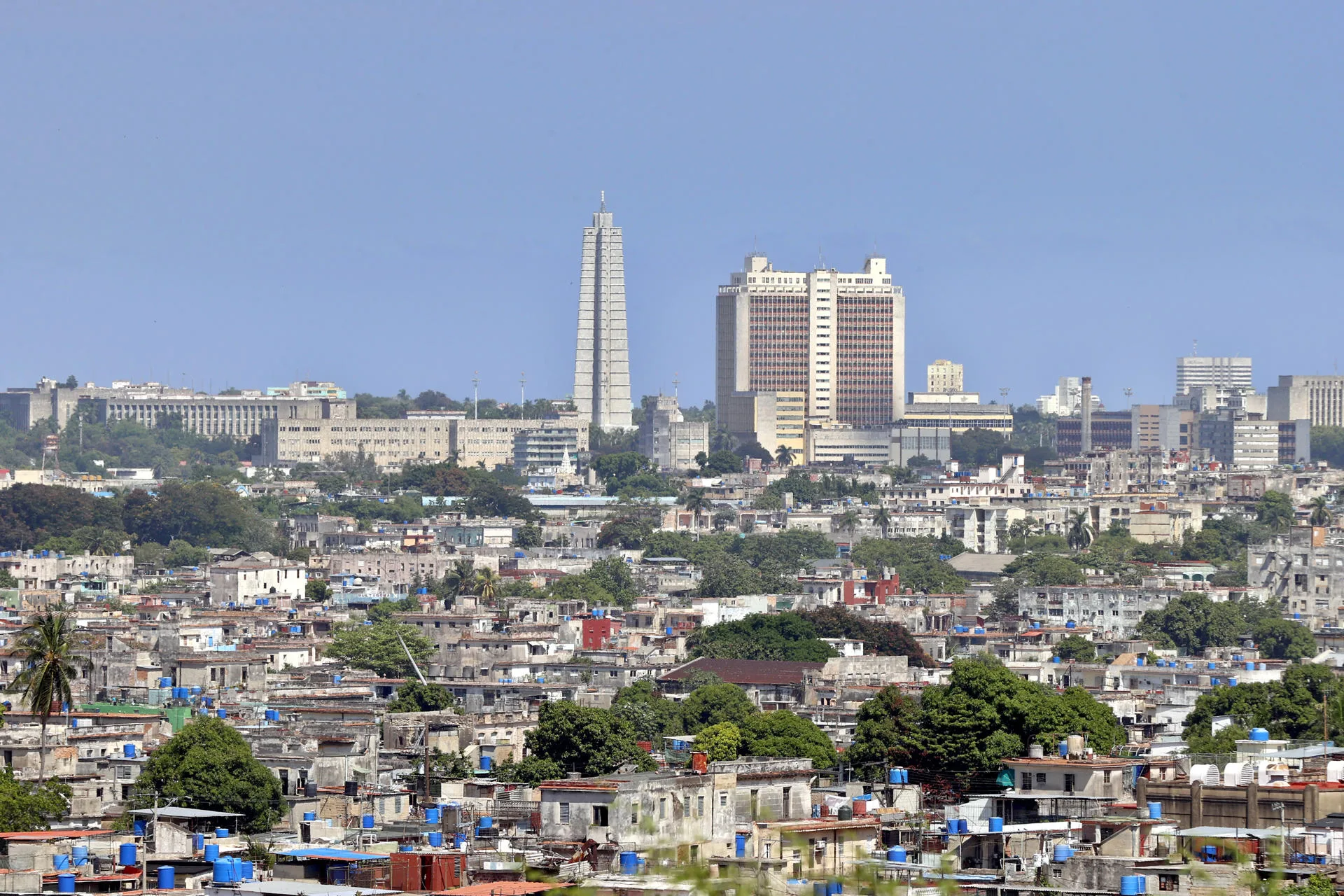
Havana (EFE).- Cuba will have simultaneous blackouts on Wednesday in up to 57% of its territory, the highest rate recorded so far in 2025 and in the last two years, according to data from the state company Unión Eléctrica (UNE), collated daily by EFE.
The same percentage was registered in February. This figure comes one week after the fifth national blackout of 2025, which left the country without electricity for 28 consecutive hours.
However, synchronization of the National Electric System, which is in precarious conditions due to a lack of resources and obsolete thermal power plants, did not alleviate the blackouts last week. Many areas of the country remain in darkness.
According to the Cuban government, the principal causes of electricity service interruptions are breakdowns in thermal power plants, which have been in operation for decades, and the lack of fuel and foreign currency to import it.
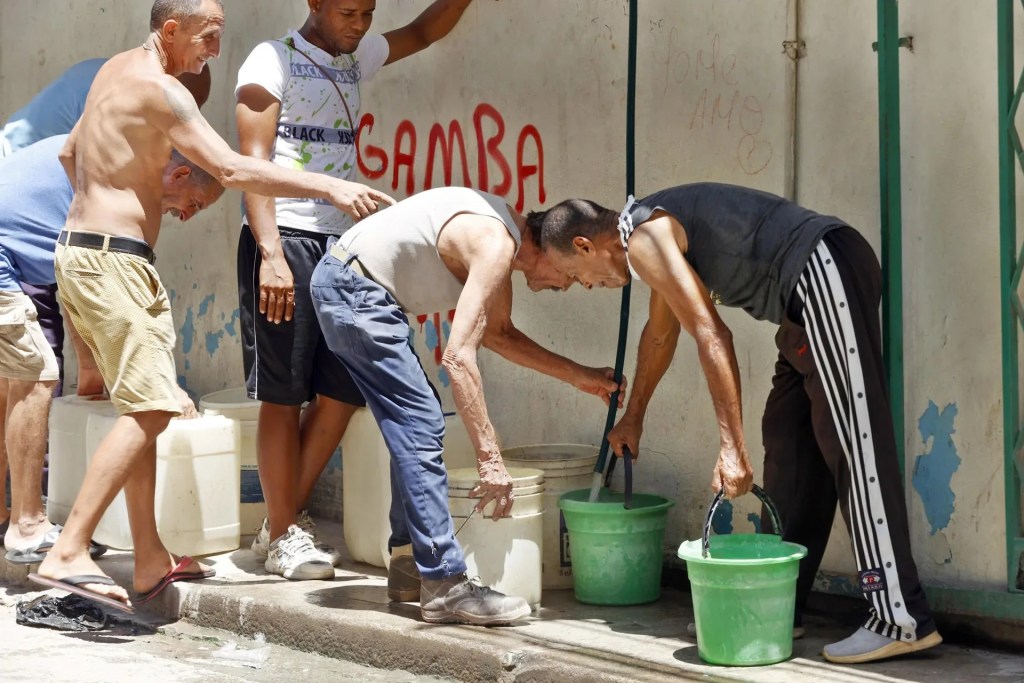
The situation has worsened since mid-2024, leaving an average of nearly 16 hours without power in July and almost 15 hours in August. In large cities such as Santiago de Cuba, Matanzas, and Holguín, blackouts exceeding 20 hours per day are common.
UNE, which belongs to the Ministry of Energy and Mines, forecasts a maximum electricity generation capacity of 1,580 megawatts (MW) for the “peak” hours on Wednesday afternoon and evening, despite a demand of 3,500 MW.
It results in a deficit of 1,920 MW, meaning that 1,990 MW will likely be affected, though actual values often exceed official forecasts.
Currently, nine of the 20 thermoelectric production units (distributed among seven power plants) are out of service due to breakdowns or maintenance. Likewise, 33 distributed generation plants (engines) are out of service due to a lack of fuel (diesel and fuel oil).
Most Cuban thermal power plants remain obsolete due to decades of excessive use, chronic underinvestment, and lack of maintenance.
Engines are out of service because the country lacks the foreign currency needed to import fuel.
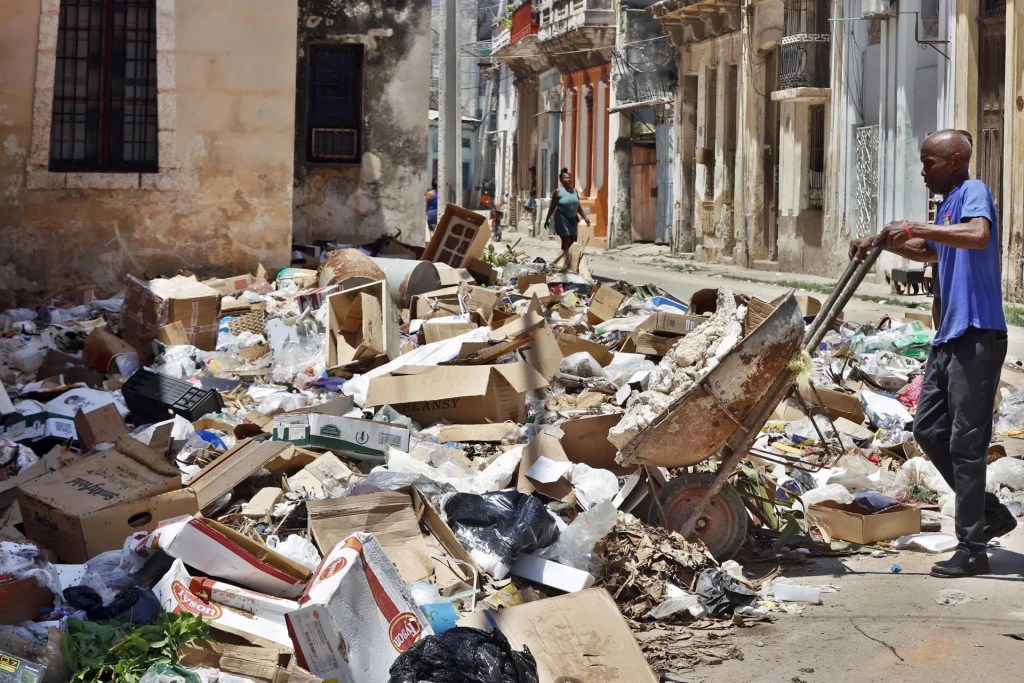
According to independent experts, the energy crisis is a result of the chronic underfunding of this sector, which has been under the control of the Cuban state since the 1959 revolution.
The Cuban government emphasized the impact of United States sanctions on the industry, accusing the US of “energy asphyxiation.”
Various independent estimates agree that the Cuban government would need between 8 billion and 10 billion dollars to revive the electricity system, a sum that Havana does not have.
Blackouts impose a significant burden on the national economy, which shrank by 1.1% in 2024 and has declined by 11% over the past five years, according to official data. ECLAC (the United Nations Economic Commission for Latin America and the Caribbean) also forecasts negative Gross Domestic Product growth for 2025.
The blackouts have fueled social discontent in Cuba and are linked to the major protests that have occurred in the country in recent years, such as those in July 2021. EFE
lbp-jpm/dgp/seo