
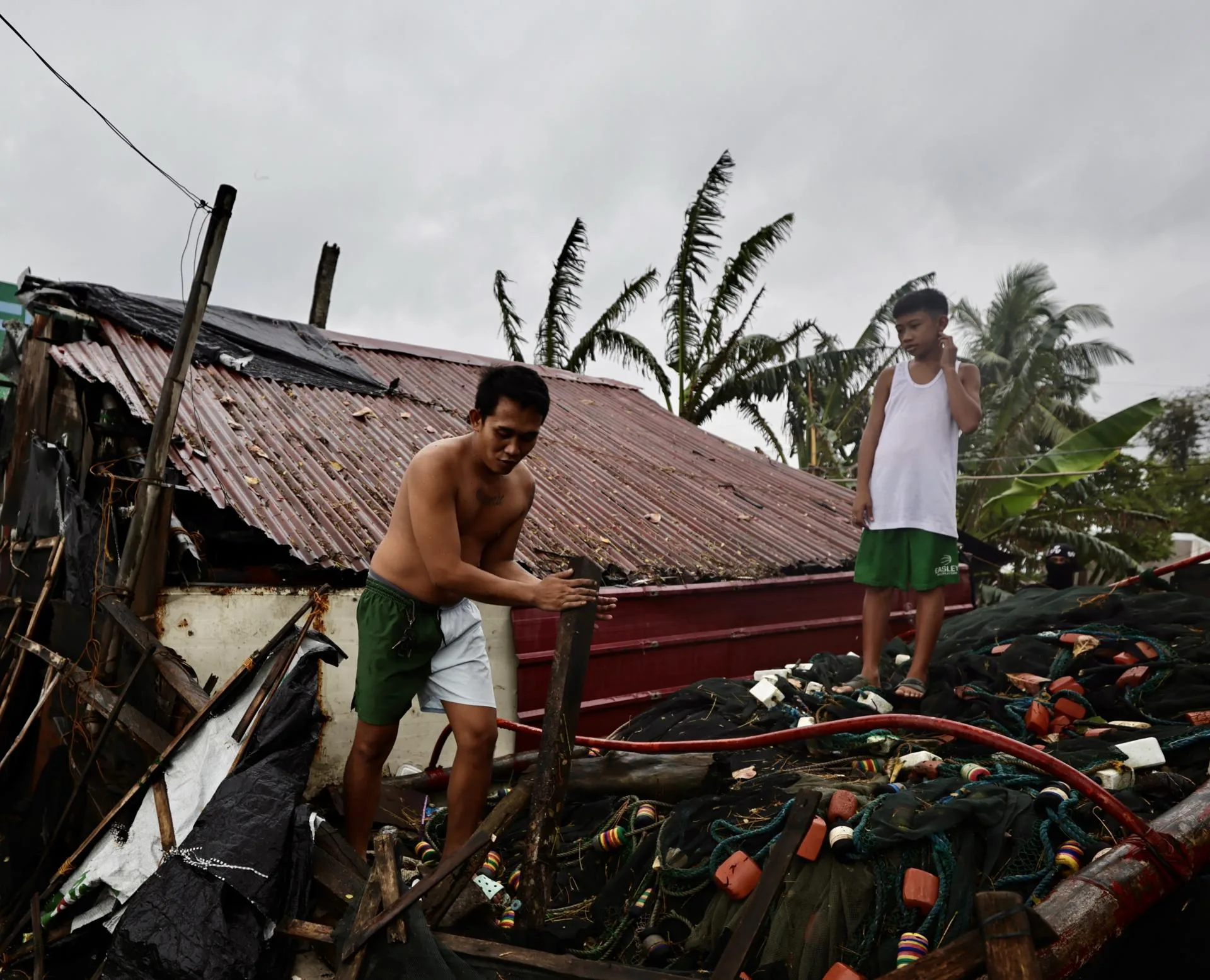
Manila (EFE).- Typhoon Bualoi made landfall in the central Philippines late Thursday with winds gusting up to 165 kilometers per hour (102 mph), forcing evacuations and the closure of schools and government offices.
By Friday, the storm had weakened as it moved northwest, just days after Super Typhoon Ragasa left at least 10 people dead in the country.
The storm, locally known as Opong, strengthened into a typhoon Thursday night before coming ashore in Eastern Samar shortly before midnight, according to the Philippine Atmospheric, Geophysical and Astronomical Services Administration, or PAGASA. It struck land again around 4 a.m. Friday local time (8 p.m. GMT Thursday) in Masbate province.
By Friday morning, PAGASA said Bualoi had been downgraded to a severe tropical storm with maximum sustained winds of 110 kph (68 mph) and gusts up to 150 kph (93 mph). “Bualoi will continue moving northwest, affecting several central provinces, but it is not expected to pass directly over Metro Manila,” the agency said in its latest advisory.
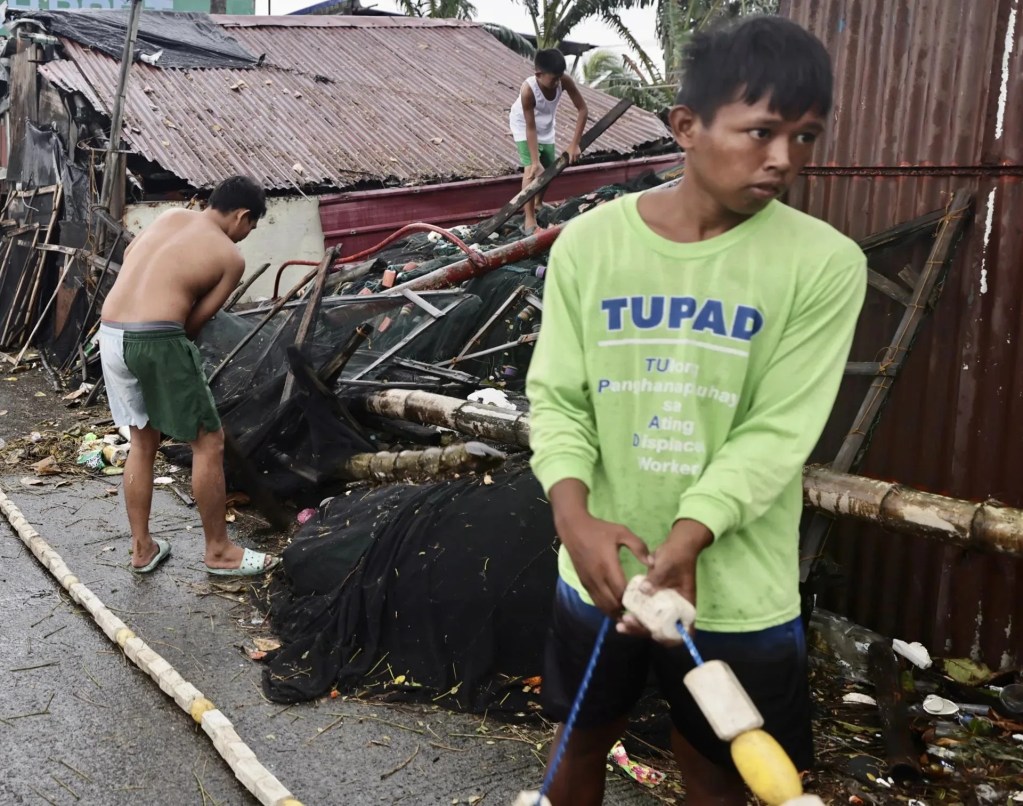
Authorities ordered preemptive evacuations Thursday in coastal and flood-prone communities. Government offices and schools in the capital and in several provinces remained closed Friday.
The storm arrived only four days after Super Typhoon Ragasa battered northern parts of the Philippines, killing at least 10 people and injuring 17 while forcing thousands into evacuation centers, according to the national disaster agency.
The Philippines is hit by about 20 tropical cyclones each year, most during the rainy season that runs from June through November or December. Warm Pacific waters fuel storms that frequently bring deadly flooding and landslides.
Bualoi also comes amid growing public anger over alleged corruption in multibillion-peso flood control projects. Those projects were intended to protect communities from typhoons but have been exposed as substandard or never built, according to lawmakers and watchdog groups. EFE
re/lds