

By Núria Garrido Gómez
Shuafat, Jerusalem (EFE).- Hundreds of Palestinian children in East Jerusalem began the school year without classrooms after Israel enforced a ban on the United Nations agency for Palestinian refugees (UNRWA) from operating in its territory, leaving families in the Shuafat refugee camp facing months of uncertainty.
In May, Israeli forces closed the six UNRWA schools in East Jerusalem, evacuating all students and staff under the so-called “UNRWA law” passed in October 2024 and in effect since January.
The move has affected around 800 Palestinian students, including 550 living in Shuafat, according to UNRWA data.
“My brother, 16, has been left without school and is just sitting at home. My cousin now sells popcorn on the street,” said Dana Qawasmi, a 25-year-old refugee. “The closure of UNRWA schools has created a huge problem in the camp. The few schools that remain open are mostly private and already full.”
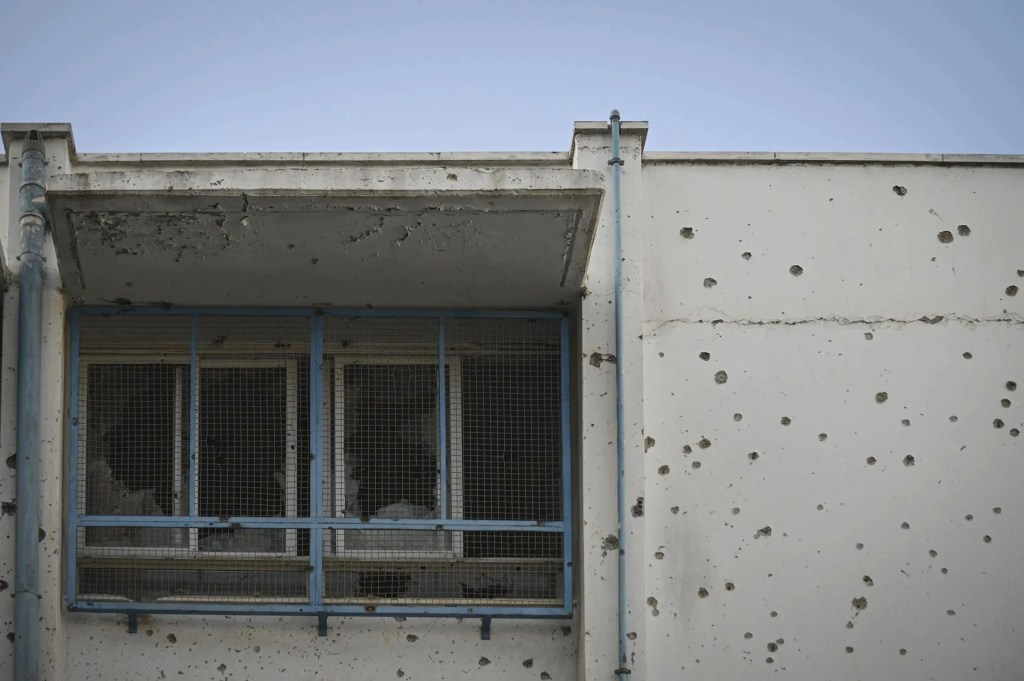
Some families managed to place their children in other East Jerusalem schools, but many institutions have been overwhelmed by the sudden demand.
Long waits and daily checkpoints
Parents describe months of waiting for scarce places.
“I spent four months trying to enroll my son, who didn’t even go to UNRWA. Suddenly, his school here had no space,” said Riyad Golani. “At the city hall there were about 150 people waiting. Just a few days ago, I finally got him into a school in Beit Hanina.”
Shuafat is home to about 60,000 people and is surrounded by Israeli checkpoints that can remain closed for hours.
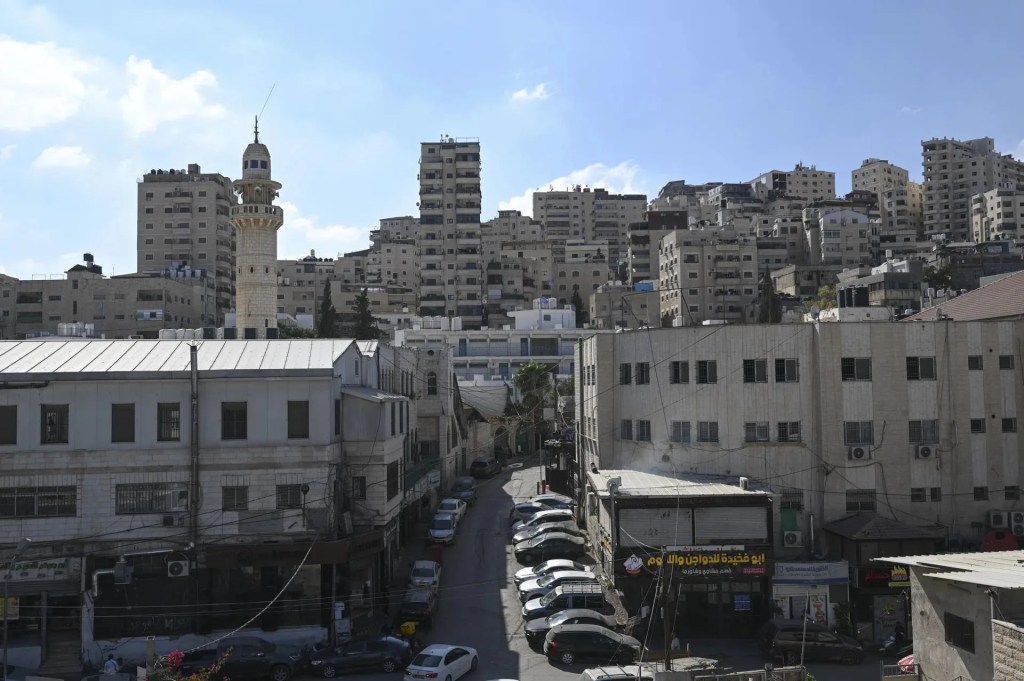
Local residents say the closures force children, even those in kindergartens, to cross daily controls, adding long commutes and safety concerns.
“Students used to be close to their families in the camp. Now many have to travel far outside,” said a Palestinian teacher from Shuafat.
UNRWA warns of worsening crisis
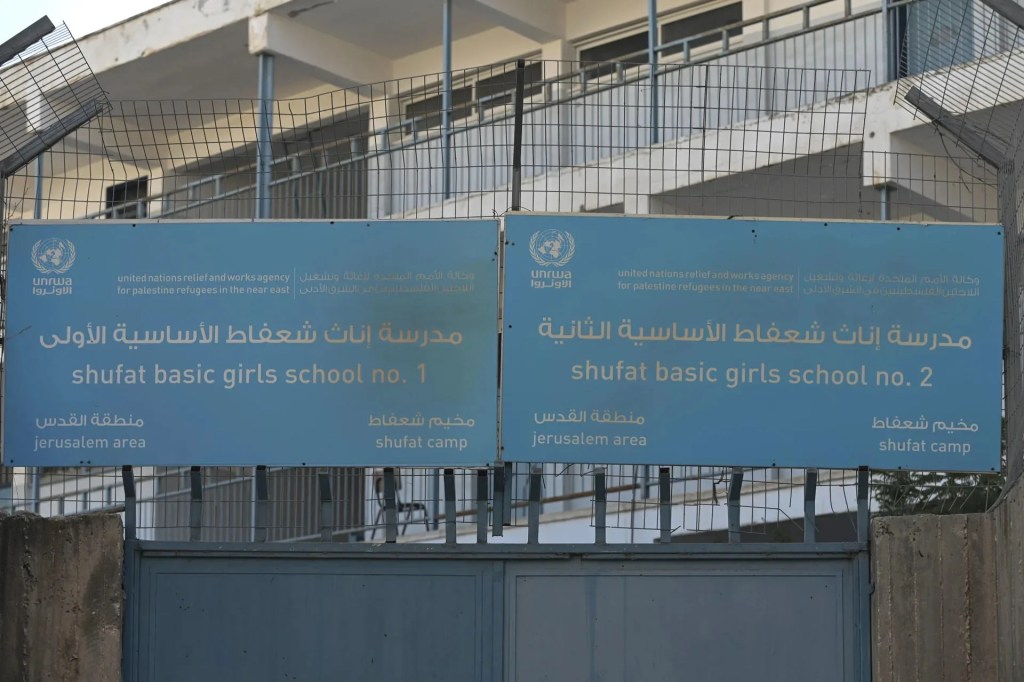
Israel justified the closures by accusing UNRWA of ties to Hamas, though no verifiable evidence has been presented. The law bans the agency, created in 1949 to support Palestinian refugees, from operating on Israeli territory. The decision has also forced many foreign UNRWA employees in East Jerusalem to leave due to visa denials.
“We hoped Israel would reopen the schools at the start of the academic year. But that has not happened,” said Jonathan Fowler, UNRWA spokesperson now based in Amman. “Targeting Palestinian education is too easy for Israel.”
Fowler added that even before the closures, nearly 2,000 Palestinian children in East Jerusalem struggled to find school places. EFE
ngg-mg/seo