
By Jon Martín Cullell
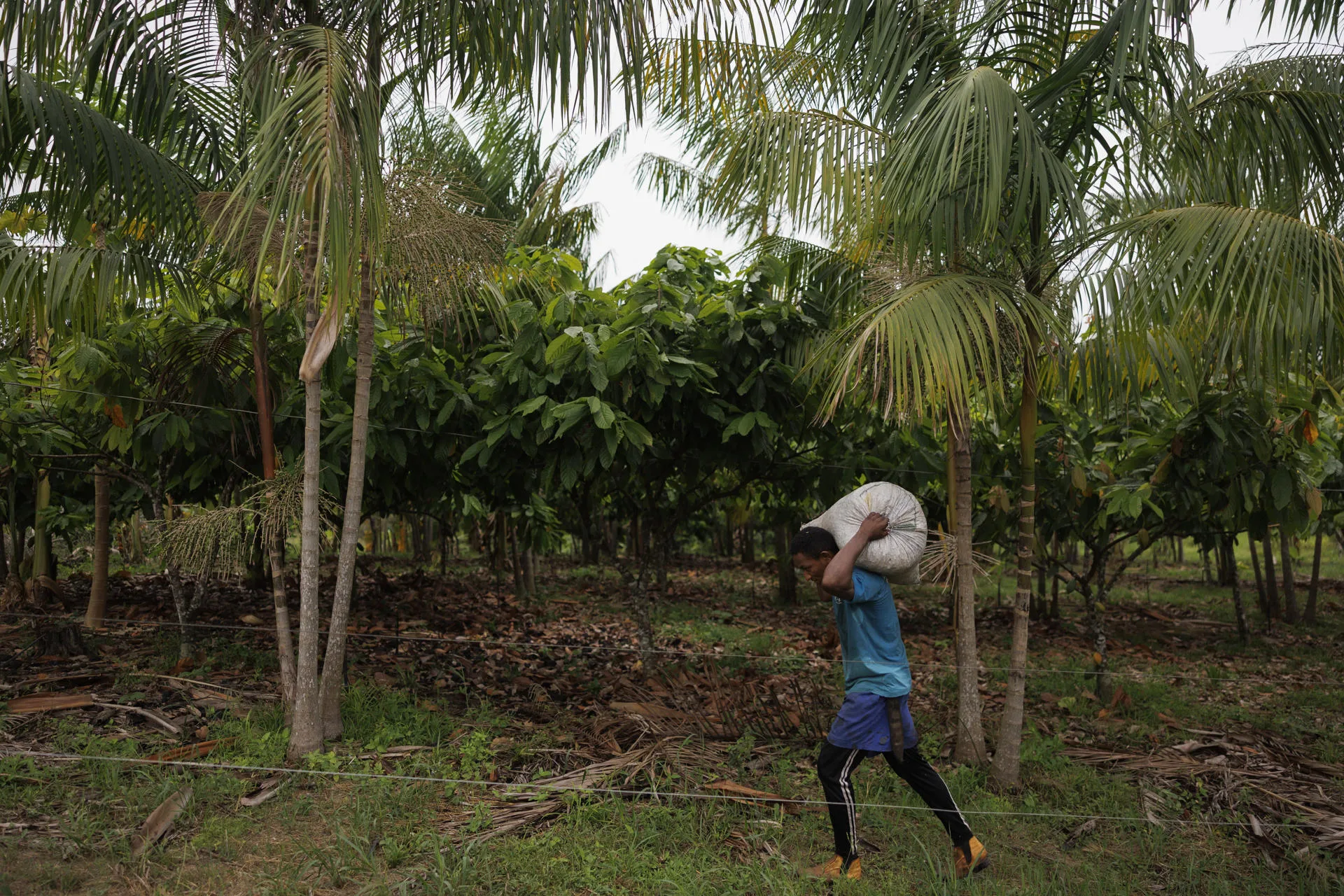
Mamuí, Brazil (EFE).- In one of the most heavily deforested areas of the Amazon, farmers in the community of Mamuí are embracing a new agricultural model designed to bring trees back to the land.
Supported by government programs and the rising market value of native fruits such as açaí, former deforesters are now experimenting with agroforestry in Brazil’s Pará state, which will host the next UN climate summit (COP30).
From cattle ranching to agroforestry
“Look at this land, it used to be cracked and dry in the summer with the cattle, and now the spring has returned,” said 72-year-old farmer Sadias Pinheiro, pointing to the soil where he recently planted açaí trees.
When Pinheiro and some 70 families settled illegally in virgin rainforest in the early 2000s, they followed the standard path: cut, burn, and sow grass for livestock.
Deforestation reached record highs in 2004, with 27,700 square kilometers (17,200 square miles) cleared, an area nearly the size of Haiti.
In Mamuí, less than one square kilometer of the 25 square kilometers (15.5 square miles) of settlement retained native vegetation, Pinheiro estimated.
“We had to cut down trees and put up fences so the government would believe we really wanted to live here,” he admitted with regret, calling the destruction “crazy.”
Sustainable agriculture takes root
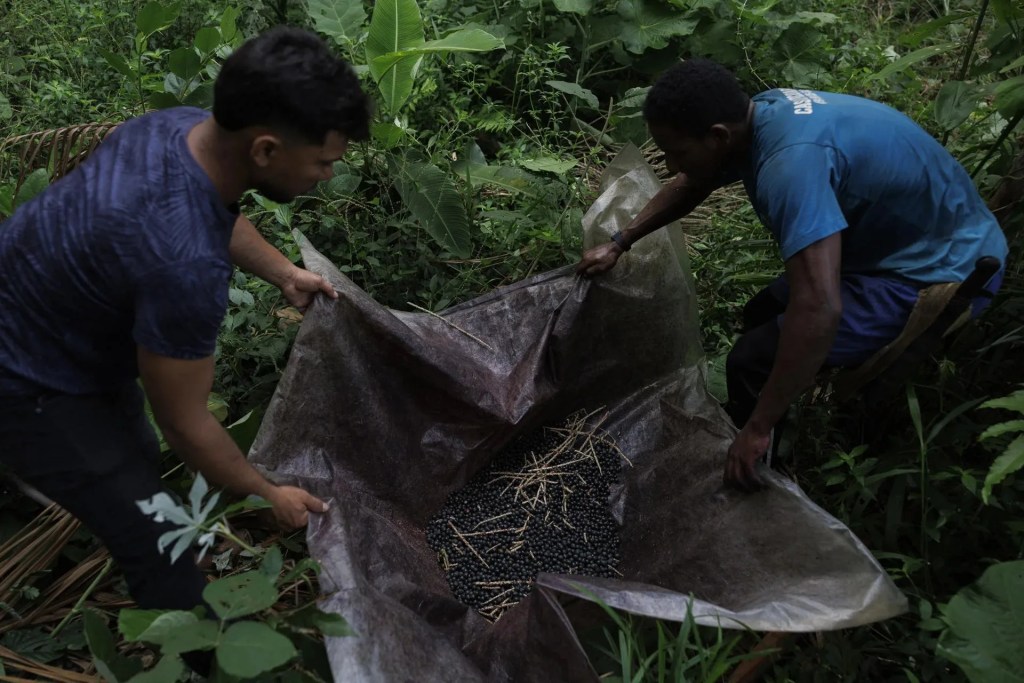
Years later, Brazil’s public agricultural research agency Embrapa approached Mamuí with a proposal: replace some cattle pastures with agroforestry systems, combining large Amazonian trees with fruit species such as cacao and açaí.
“In our workshops, we introduced ecological awareness, which was almost taboo here.
Talking about environmental law used to be seen as an offense,” said Michelliny Bentes, the project coordinator, in an interview with EFE.

To overcome resistance, Embrapa offered improved seeds, free fertilizer, and technical assistance to help farmers comply with environmental regulations, which require preserving vegetation along rivers and springs.
Those who fail to comply risk losing subsidized credit or being barred from selling their produce.
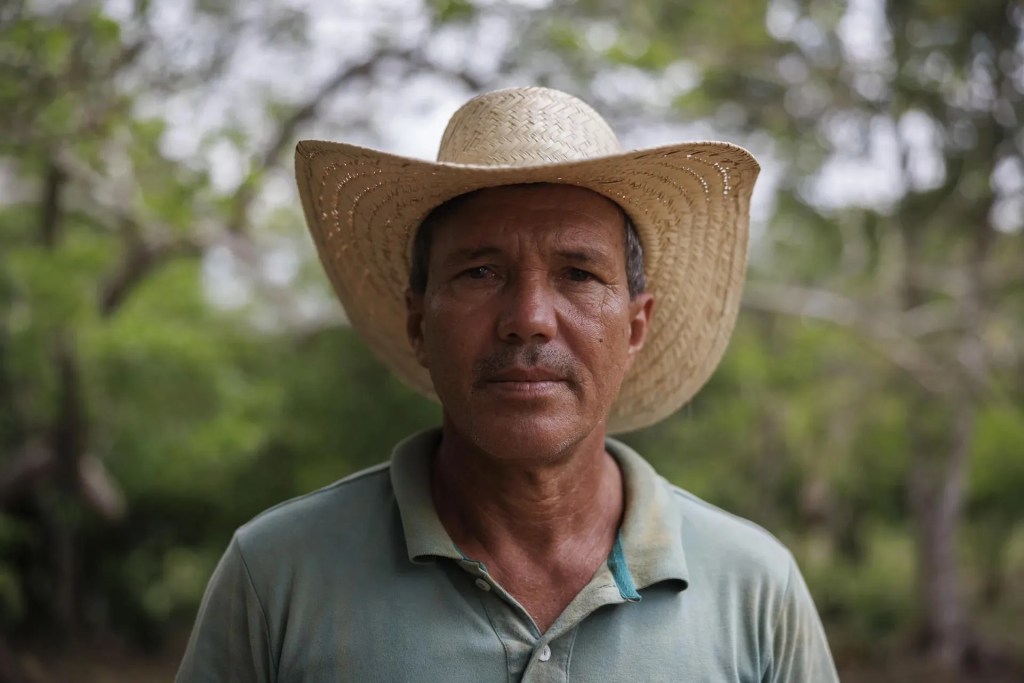
The support persuaded farmers like Mauricio Batista, 53, who had previously failed in attempts to grow cacao.
After three years, he now cultivates six hectares of açaí, cacao, and bananas, and has replanted trees near springs to prevent erosion and improve water quality.
“I embraced the cause,” Batista said.

He still raises cattle but earns more from crops: cacao sells for 30 reais per kilo (5.6 dollars) and açaí for 16 reais (3 dollars), double the price of beef. He plans to expand cultivation without relying on subsidies.
Small steps, big hopes
Given the scale of past destruction, expectations are modest.
“If forest cover rises from zero to 30%, it’s already a gain,” Bentes said. “It’s little, but it’s progress.”
Embrapa, however, would need more resources to expand the program. Still, neighboring farmers who once rejected sustainable practices are beginning to reconsider.
“They’re opening their eyes, not only because the law requires it but because they see you can live well from nature,” Batista said.
For now, Mamuí remains a small example in the vast Amazon. But its experiment reflects a broader challenge: turning one of the world’s largest deforested regions into land where forests and farming can coexist. EFE
jmc/seo