
By Elena Varisca
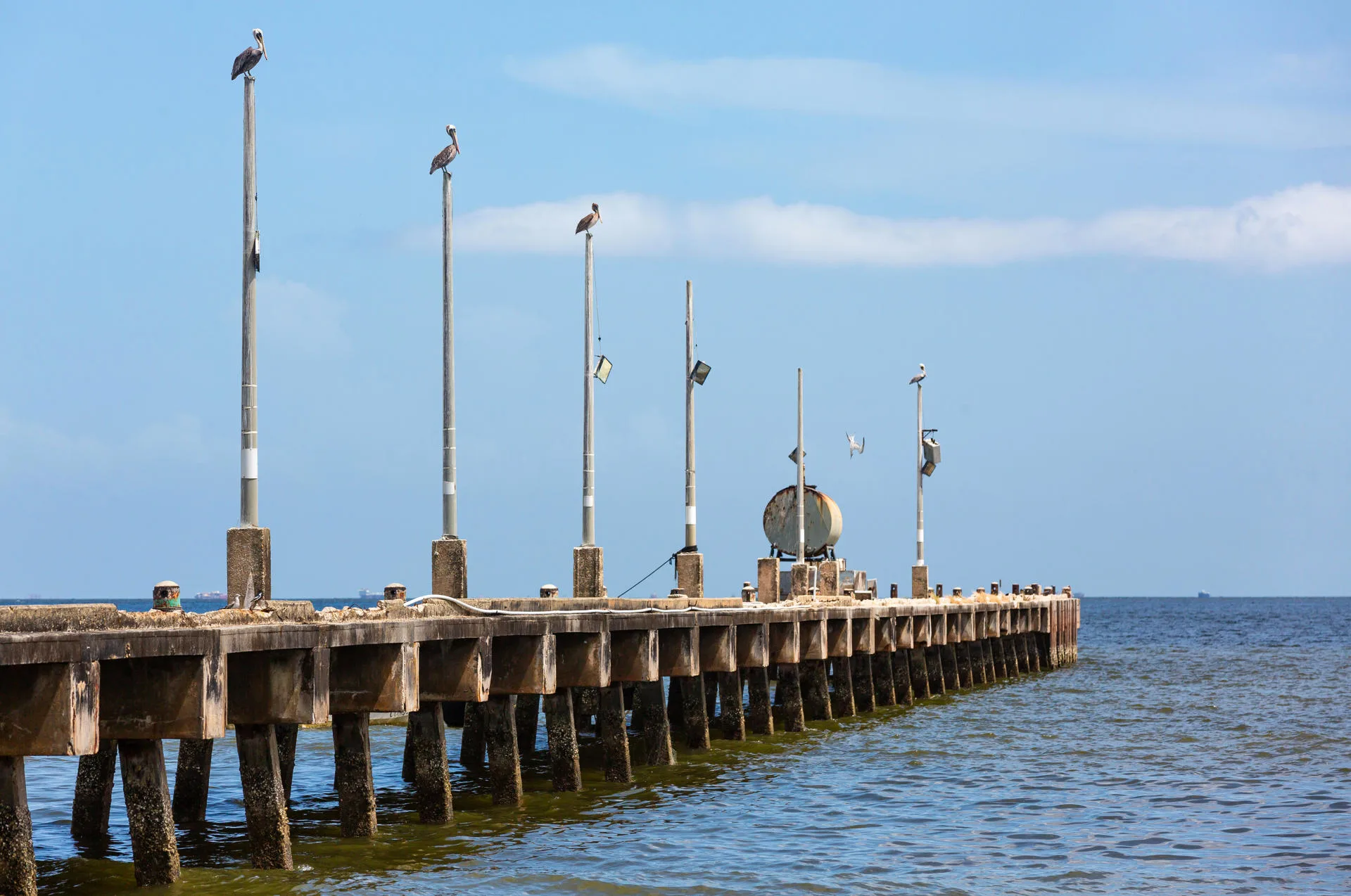
Cedros, Trinidad and Tobago (EFE).- Passenger traffic and cross-border trade between Trinidad and Tobago and Venezuela have fallen sharply since the United States military buildup in the Caribbean, ferry operators and business owners told EFE, raising concerns over the economic fallout for both nations.
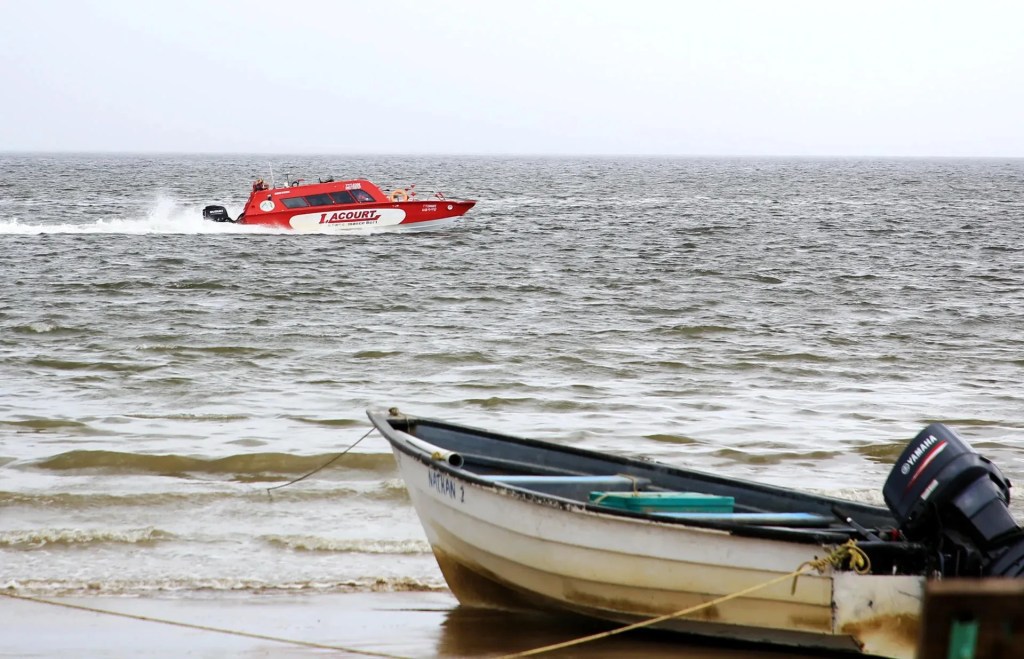
Once a route used by hundreds of travelers each month, the ferry link between the two countries now carries only a few dozen passengers.
Operators warn that the decline is threatening their survival and weakening commercial ties that have long sustained border communities.
Ferry operators facing sharp decline
Venezuelan businesswoman Alana Medina, who runs the Ángel del Orinoco ferry between Tucupita, Venezuela, and Cedros in southwest Trinidad, said her company is under unprecedented strain.
“From transporting 70 passengers a month in June, we’ve seen a sharp drop to just 45 in August,” Medina said.
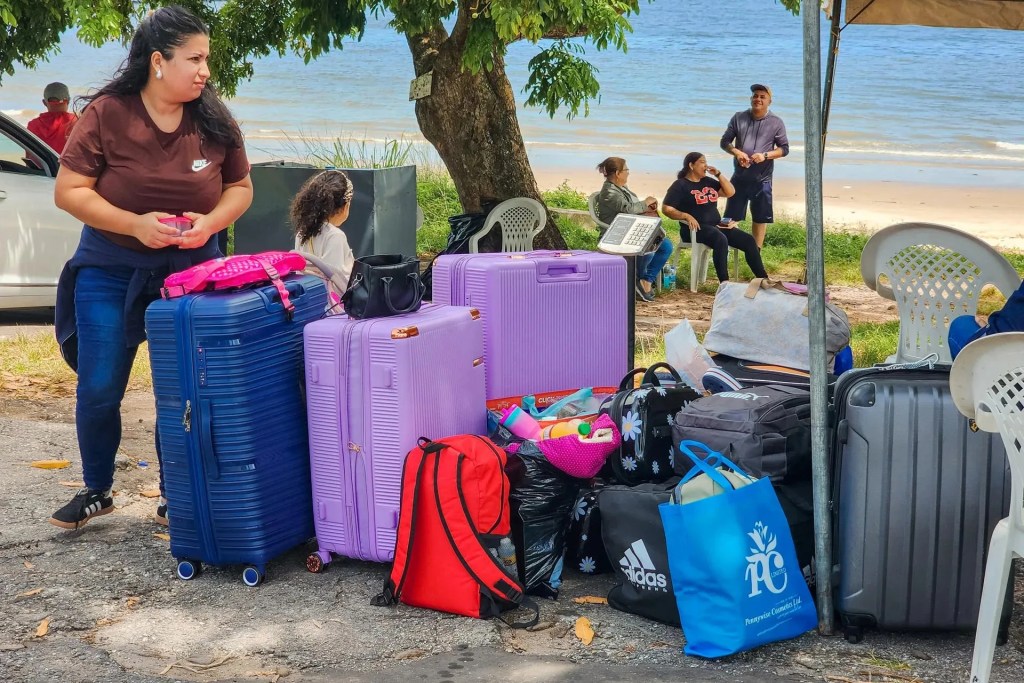
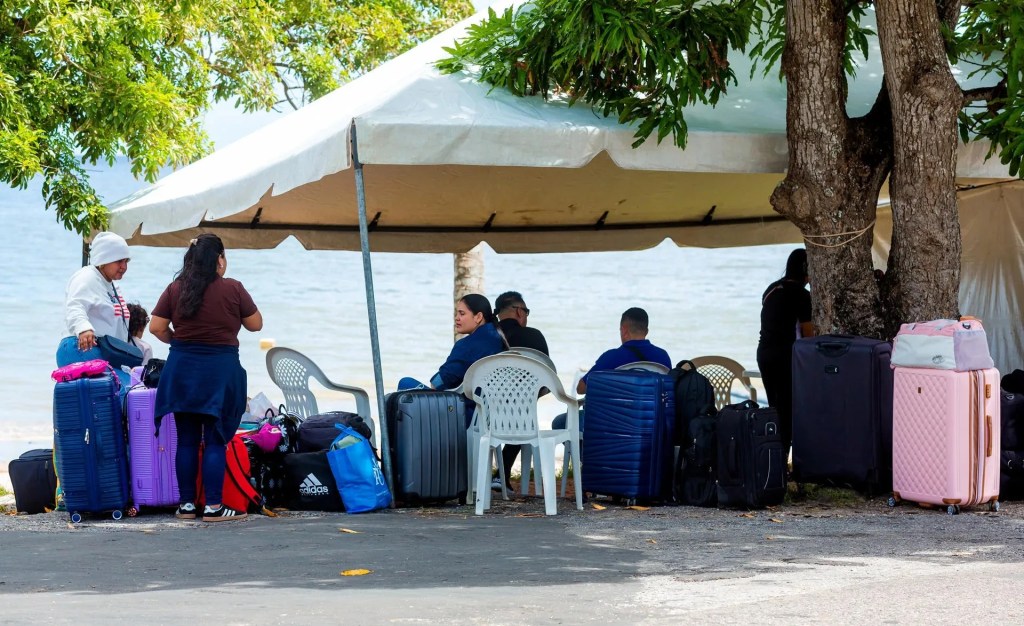
The September numbers have been worse: one ferry that docked in Cedros on Sep. 11 carried only 15 passengers.
Medina described the current downturn as “the most difficult financial situation since the company was founded nine years ago.” She attributed the decline in part to fears that political tensions could lead to border closures.
Earlier this month, Venezuelan President Nicolás Maduro accused Trinidad and Tobago’s Prime Minister Kamla Persad-Bissessar of “going crazy” by allegedly backing military action against Venezuela.
Persad-Bissessar has denied plotting any invasion but voiced support for the US deployment in the region.
Venezuelan ambassador Álvaro Enrique Sánchez Cordero dismissed the possibility of border closures, saying in a statement to EFE that “everything is fine with maritime connections between Tucupita and Cedros.”
Cross-border trade in freefall
Beyond passenger traffic, trade volumes at ports such as San Fernando and Cedros have also collapsed.
Venezuelan exports of timber, clothing, and footwear to Trinidad have slowed to a fraction of previous levels.
A source at Trinidad’s Division of Customs and Excise in King’s Wharf, San Fernando, said only two Venezuelan cargo vessels now bring goods twice a month.
“Until 2024, those same ships were docking three times a week,” the source told EFE.
According to United Nations Comtrade data, bilateral trade between Trinidad and Venezuela plunged by 56% from 2017 to 2024.
Businesses turn away from Venezuela
The decline is driven not only by regional tensions but also by obstacles inside Venezuela. Trinidadian businessman Cassian Valdez told EFE that corruption and extortion have forced him to slash imports.
“I used to bring in 800 cubic feet of pine wood a month; now it’s just 80,” Valdez said. “You pay for the wood and don’t receive it. I lost $30,000 in timber because the Venezuelan National Guard confiscated shipments, even with documentation.”
Valdez said he now sources 90% of his wood from Brazil and plans to completely cut Venezuelan imports by the end of the year.
“It’s faster to ship from Venezuela, but the risks make it impossible to keep going,” he added. EFE
ev/seo